


Trump declared a national emergency and imposed tariffs comprehensively
On April 2nd local time, the White House issued a statement saying that U.S. President Donald Trump declared a national emergency on the same day to enhance America's competitive edge, protect U.S. sovereignty, and strengthen national and economic security.
The statement said that Trump will impose a 10% "base tariff" on all countries, which will take effect at 00:01 am Eastern Time on April 5th. In addition, Trump will impose personalized higher "reciprocal tariffs" on countries with the largest trade deficits with the United States, which will take effect at 00:01 am Eastern Time on April 9th. All other countries will continue to abide by the original 10% tariff benchmark. The statement also said that Trump has the "modification authority" and can raise or lower tariffs depending on the situation.
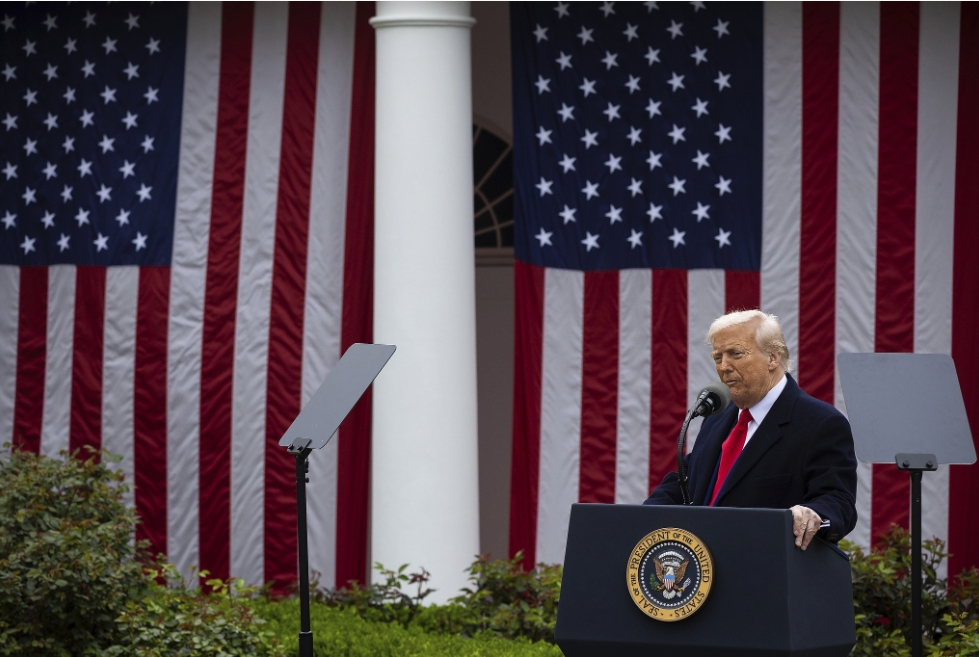
The statement said that some goods will not be subject to "reciprocal tariffs", including steel and aluminum products, automobiles and auto parts already subject to Section 232 tariffs, goods that may be subject to future Section 232 tariffs, as well as energy and certain other minerals not available in the United States. In addition, gold bars, copper, pharmaceuticals, semiconductors and wood products are also not subject to "reciprocal tariffs".
The statement also said that for Canada and Mexico, goods that meet the requirements of the United States-Mexico-Canada Trade Agreement will continue to be exempted.
Although Trump claimed that the imposition of tariffs would help bring in revenue for the U.S. government and revitalize American manufacturing, economists and business people have warned that these tariff measures will drive up prices, harm the interests of U.S. consumers and businesses, disrupt global trade, and be detrimental to global economic development. Previously, several U.S. trading partners had indicated that they would take countermeasures in response.
|
国家和地区 Countries and Territories |
对等关税税率 Reciprocal Tariffs Rates |
国家和地区 Countries and Territories |
对等关税税率 Reciprocal Tariffs Rates |
|
柬埔寨 Cambodia |
49% |
欧盟 European Union |
20% |
|
老挝 Laos |
48% |
约旦 Jordan |
20% |
|
越南 Vietnam |
46% |
以色列 Israel |
17% |
|
缅甸 Myanmar |
44% |
菲律宾 Philippines |
17% |
|
叙利亚 Syria |
41% |
赞比亚 Zambia |
17% |
|
伊拉克 Iraq |
39% |
挪威 Norway |
15% |
|
塞尔维亚 Serbia |
37% |
委内瑞拉 Venezuela |
15% |
|
博茨瓦纳 Botswana |
37% |
尼日利亚 Nigeria |
14% |
|
孟加拉国 Bangladesh |
37% |
英国 United Kingdom |
10% |
|
泰国 Thailand |
36% |
巴西 Brazil |
10% |
|
中国 China |
34% |
澳大利亚 Australia |
10% |
|
印度尼西亚 Indonesia |
32% |
新加坡 Singapore |
10% |
|
瑞士 Switzerland |
31% |
土耳其 Turkey |
10% |
|
利比亚 Libya |
31% |
伊朗 Iran |
10% |
|
南非 South Africa |
30% |
阿富汗 Afghanistan |
10% |
|
巴基斯坦 Pakistan |
29% |
乌克兰 Ukraine |
10% |
|
哈萨克斯坦 Kazakhstan |
27% |
巴拿马 Panama |
10% |
|
印度 India |
26% |
埃及 Egypt |
10% |
|
韩国 Korea |
25% |
沙特阿拉伯 Saudi Arabia |
10% |
|
日本 Japan |
24% |
新西兰 New Zealand |
10% |
|
马来西亚 Malaysia |
24% |
阿根廷 Argentina |
10% |
|
文莱 Brunei |
24% |
卡塔尔 Qatar |
10% |
|
纳米比亚 Namibia |
21% |
[Disclaimer] The above article is reprinted from the Internet. The purpose of reprinting is to convey more information and does not represent that this website agrees with its views and is responsible for its authenticity; if the copyright owner or individual of the manuscript does not want it to be published on this website, please contact this website by phone or letter within two weeks.
Judging from the collapse of the steel industry, has the UK's deindustrialization gone astray?
Will the Tariff War Trigger the Next Great Depression? The 'Doomsday Asset' List from Lessons of Blood and Tears


